What the archive argues
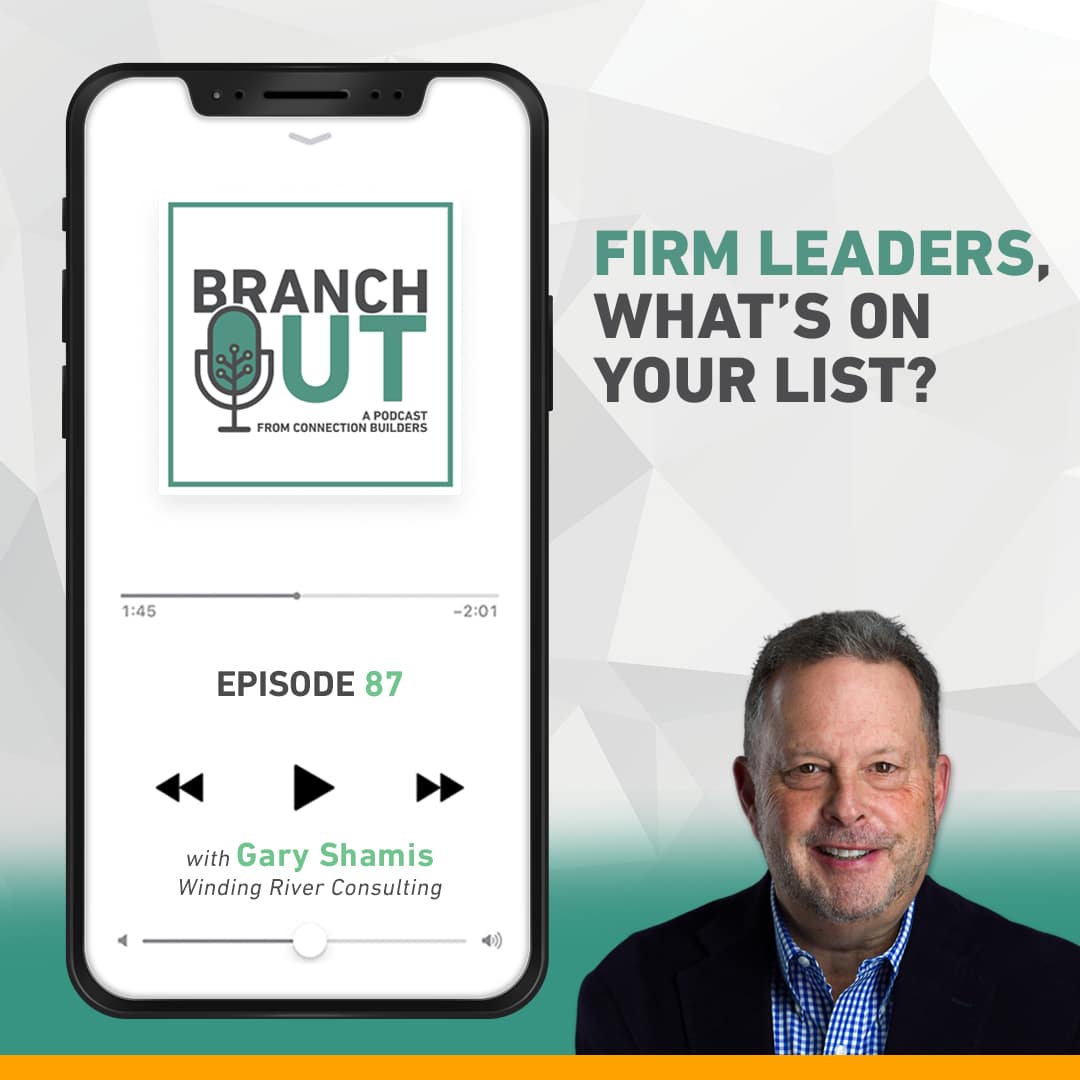
The talent conversation here is not about recruiting. Gary Shamis (Ep 087) argues the hundred-year pyramid has stopped working, so a managing partner's job is conducting capacity across hiring, process, technology, client culling and outsourcing. David Hartley (Ep 094) says a structure that concentrates knowledge at the top is obsolete when the day-one hire is the digital native. Chase Birky (Ep 102) traces sub-three-year tenure to pay that stayed too low and jobs that stayed unpleasant, and doubts the 150-hour rule explains it.
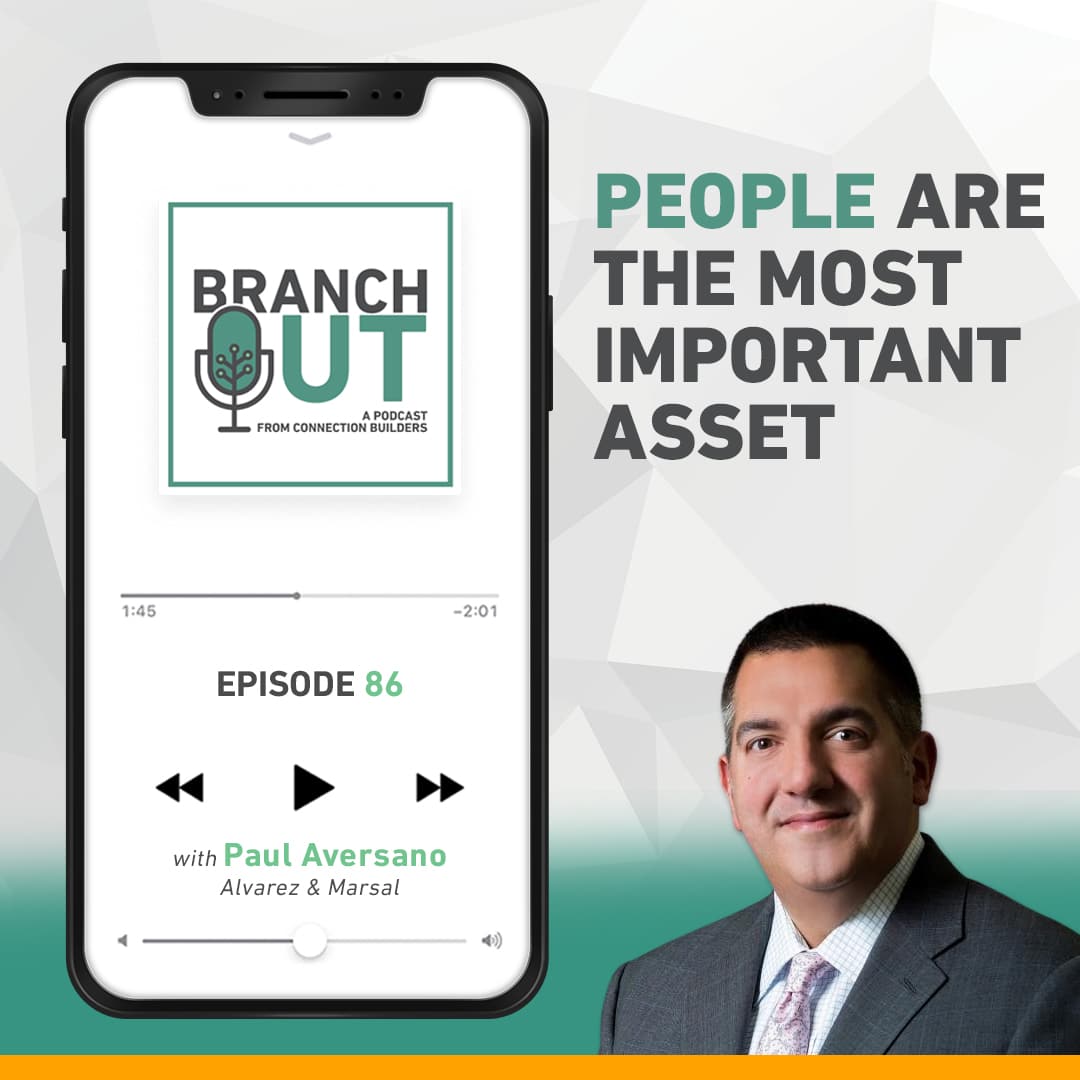
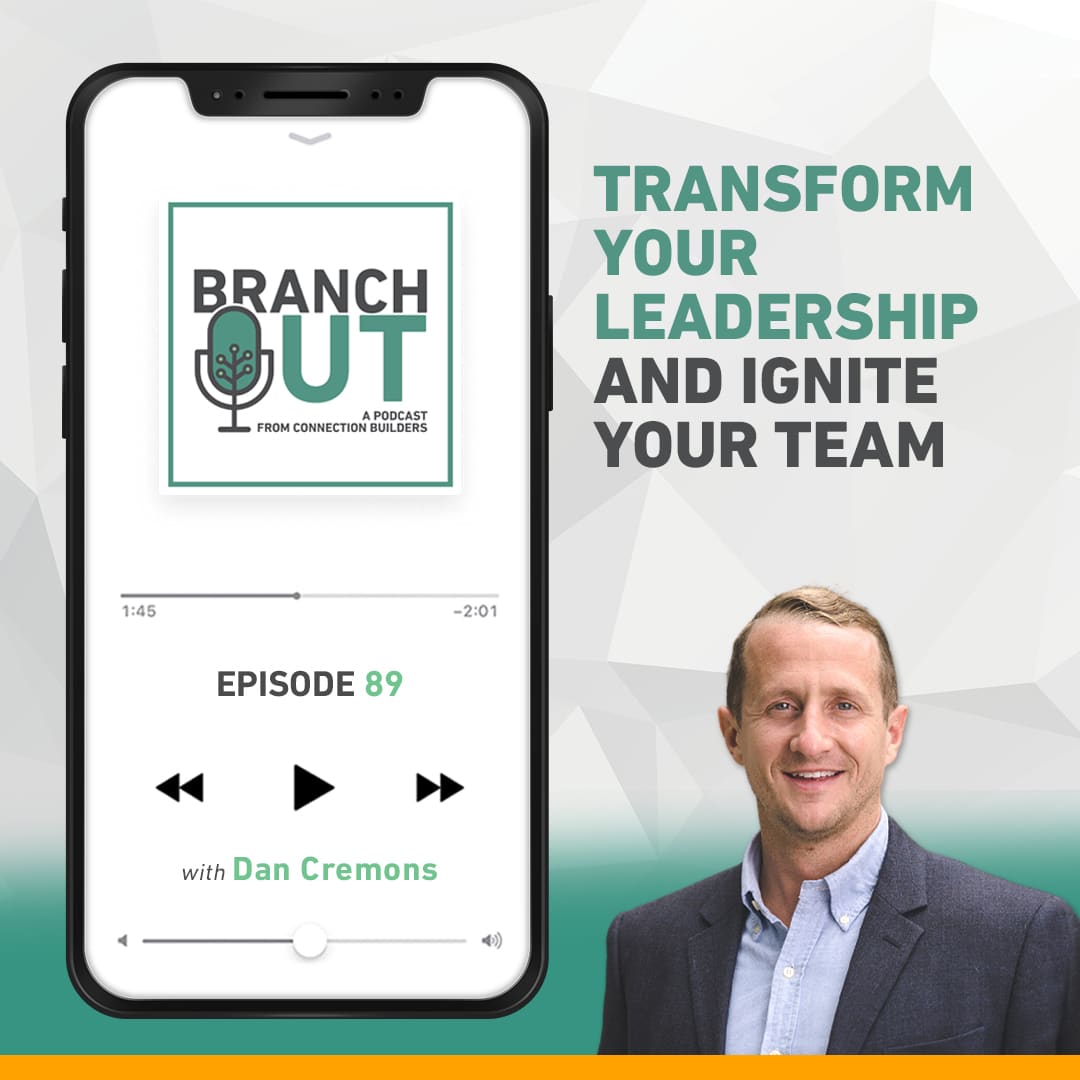
This is the largest theme in the archive, and it peaks in 2022 with fifteen of its thirty-two episodes. That is where the frame moves. Earlier, the conversation is individual: Howie Siegal (Ep 007) works out that finishing his team's work is what drove them out. In 2022 the diagnosis turns structural. Paul Aversano (Ep 086) says people are the product, so results delivered on top of churn are not a win. Dan Cremons (Ep 089) treats underperformance as a management failure before a personnel one. Dan Montgomery (Ep 093) makes the client list the retention lever, capping busy season at fifty hours by refusing tax-only work. By 2023 Amy Vetter (Ep 111) names the hardest obstacle as prosperity: nobody changes a model while the money is good.
A parallel run of episodes argues the talent exists and the screen is what fails. Ernie Lyles (Ep 061) points out his best and worst analyst came from the same school. Michelle Chao (Ep 063) notes that nobody self-selects into a job they have never heard of. Charmone Adams (Ep 065) says target-school recruiting keeps producing what it always produced. Brandon Hawkins (Ep 069) screens for coachability and scrappiness after being burned by perfect resumes.
Nobody in the run defends the apprenticeship pyramid, and nobody blames the generation arriving. Its harshest critics are the people who came up through it. Read that as consensus, not as an argument won.